
LG Sciencepark chief Chung Sue-hyun outlines step-by-step approach to adapting commercial tech for orbit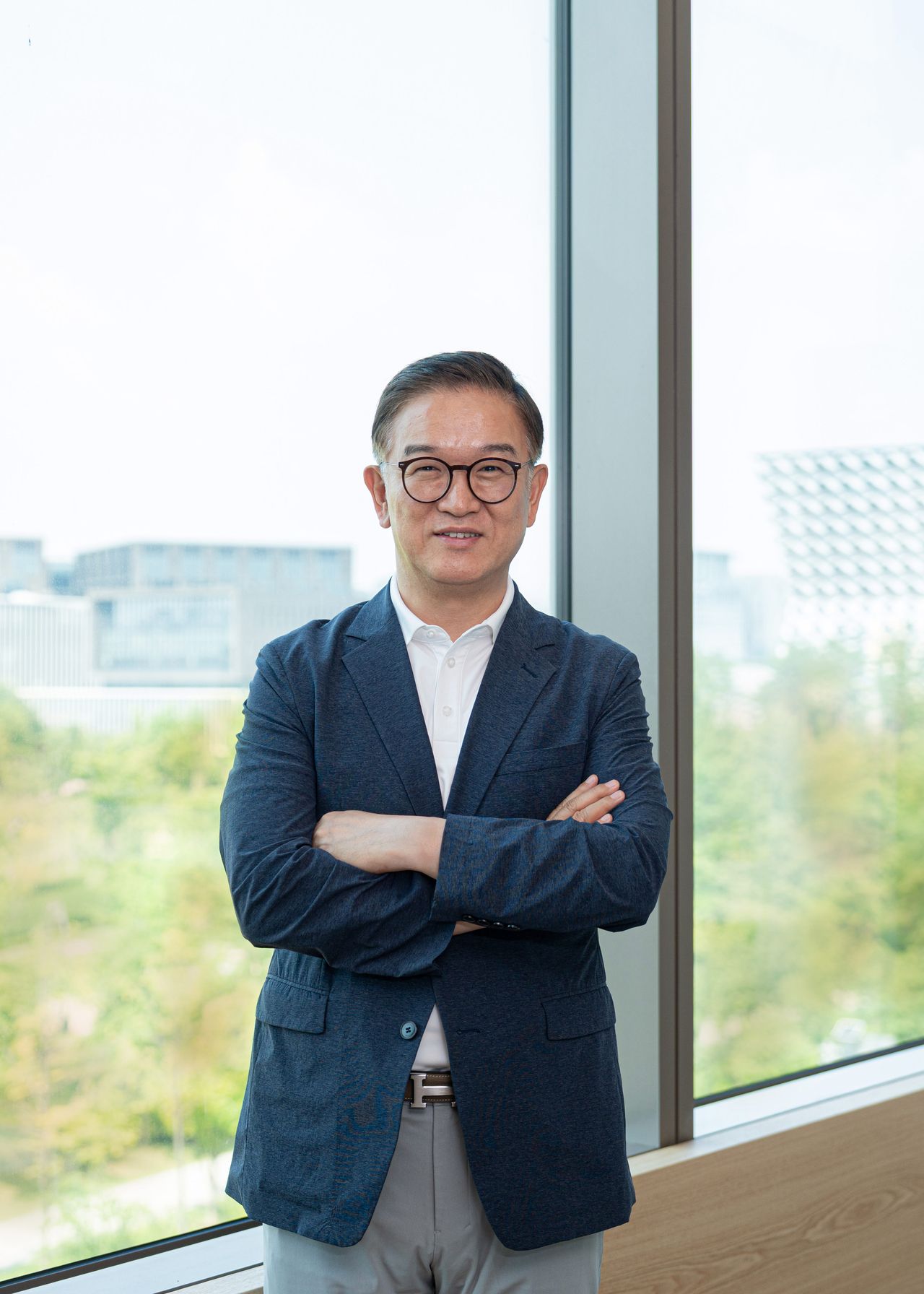 Space is no longer out of reach, and LG Group sees it as a logical extension of its existing capabilities — not by chasing flashy goals, but by proving that its everyday tech can withstand the unforgiving conditions beyond Earth.
“Space is not a blank slate,” said Chung Sue-hyun, president of LG Sciencepark, in an interview with The Korea Herald. LG, he added, is preparing for a clearly emerging market by “building on what we already do well.”
The group isn’t entering the space sector from scratch. Instead, it is applying its established strengths — in batteries, sensors, communication modules and artificial intelligence — to a new environment defined by vacuum, radiation, wide temperature swings and constant vibration. These technologies are now being adapted to operate reliably in space.
LG is working with Unmanned Exploration Laboratory, a local startup and Korea’s only private lunar rover developer, to send hardware into space aboard South Korea’s Nuri rocket. In the fourth Nuri launch last month, a camera module was sent up. The next launch, slated for June, will include a battery cell and communication antenna — all repurposed from off-the-shelf products originally built for use on Earth.
It’s the first case in Korea where mass-produced, commercial-grade tech is being sent into orbit for testing — a step that underscores LG’s cautious, results-first approach to new industries.
“In space, reliability matters more than theoretical performance,” Chung said, explaining why LG favors early-stage testing and repeat validation cycles. The company hopes to build up what it calls “space heritage,” or a proven record of technologies that have already performed well in orbit — a key factor in earning trust for future missions.
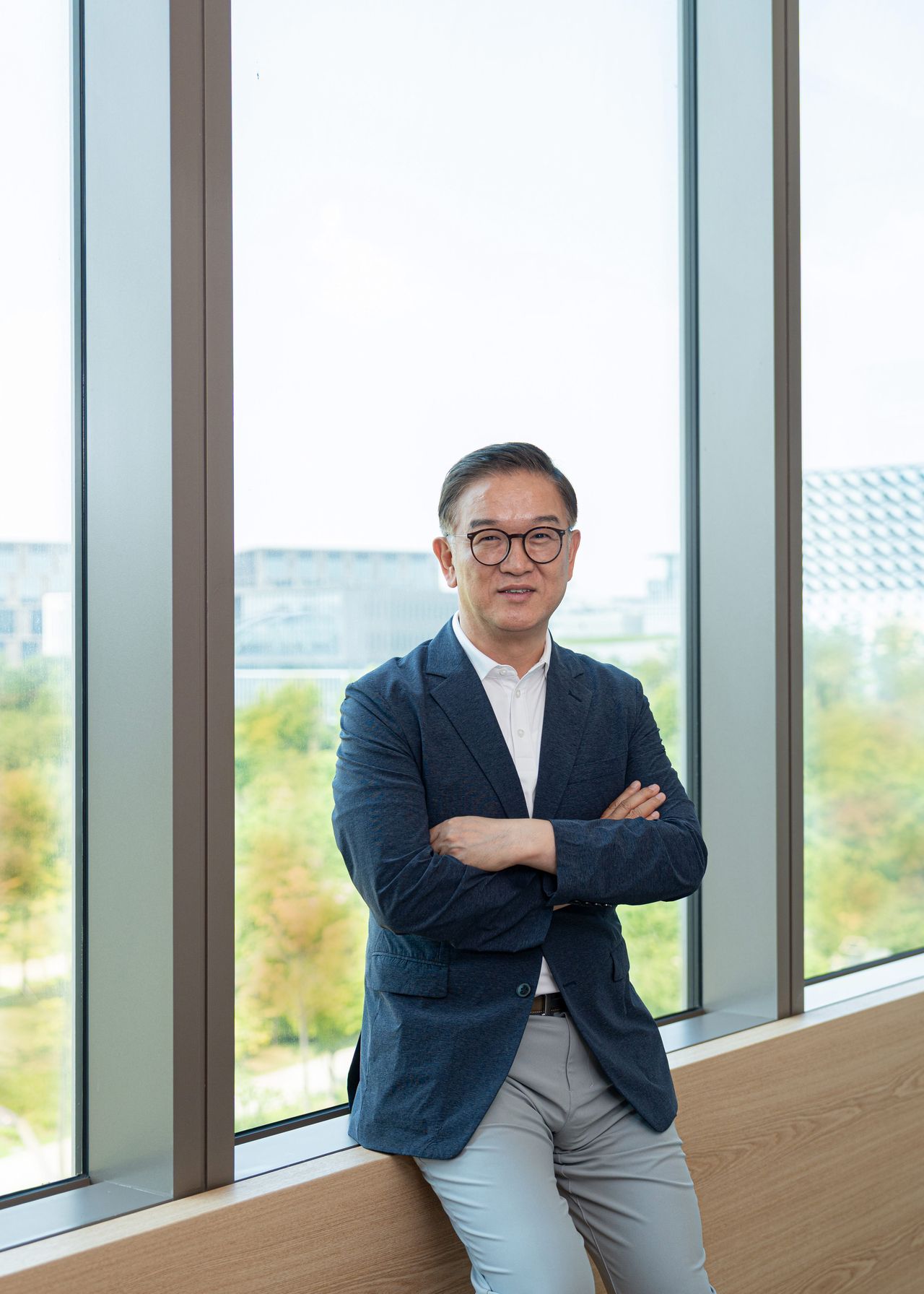 Much of the coordination is happening at LG Sciencepark, the group’s central research and development hub. The site helps connect affiliates in electronics, chemicals and telecom, identifying shared opportunities and collecting performance data to guide longer-term planning.
“Space is not something a single affiliate can pursue alone,” Chung said, emphasizing the need for collaboration across the group. “Our job is to create opportunities, guide participation and move forward at a pace that fits each unit.”
The work ties into LG Chairman Koo Kwang-mo’s “ABC” vision — a strategy centered on artificial intelligence, biotechnology and clean technology. Since Koo took over, LG has slowly expanded its focus to include advanced areas such as robotics, cybersecurity and, more recently, space.
Startups are playing a role in that process as well. LG has partnered with AI chipmaker FuriosaAI and has brought in early-stage companies like Artblood and Found Objet through its Superstart open innovation platform.
This isn’t LG’s first brush with space. Back in 2016, LG Energy Solution was chosen by the US National Aeronautics and Space Administration to supply lithium-ion batteries for astronaut suits — a small but essential part of their life-support systems. Though limited in scope, the project gave the company a foothold in space-related work and helped lay the groundwork for what comes next.
Looking ahead, LG aims to expand its presence after 2030 by scaling up verified technologies that could support national and global space projects — including Korea’s lunar economy initiative led by the Korea Aerospace Administration. Alongside Unmanned Exploration Laboratory, LG is also preparing for a longer-term lunar mission in 2032 based on findings from the current test campaigns.
“Space represents the next stage for LG’s long-standing mission of supporting everyday life,” Chung said. “We will extend that role beyond Earth, once the technologies are ready.”
- Long-delayed destroyer project shifts to competitive bidding
- Korea cuts E-9 visa quota to 80,000 for 2026
- ARKO Selection begins 18th year, continues its role as platform for new works
- Jennie unveils hangul veil at MMA 2025, spotlighting Korean aesthetics through Le Je
- Closing out K-pop 2025: Stray Kids dominate, girl groups soar


Most Commented